Writings
Thoughts on AI engineering, flow metrics, building products, and lessons from 25+ years in tech.
[Mid-cycle OKR review]
I’m experimenting with enterprise-wide, multi-level OKRs. The literature and heaps of other references out there mention the Mid-cycle OKR Review for organisations running quarterly cycles.

I'm excited about exploring network structures.
That's probably why we feel like working in smaller teams. After a certain point, the coordination cost starts to become prohibitive.
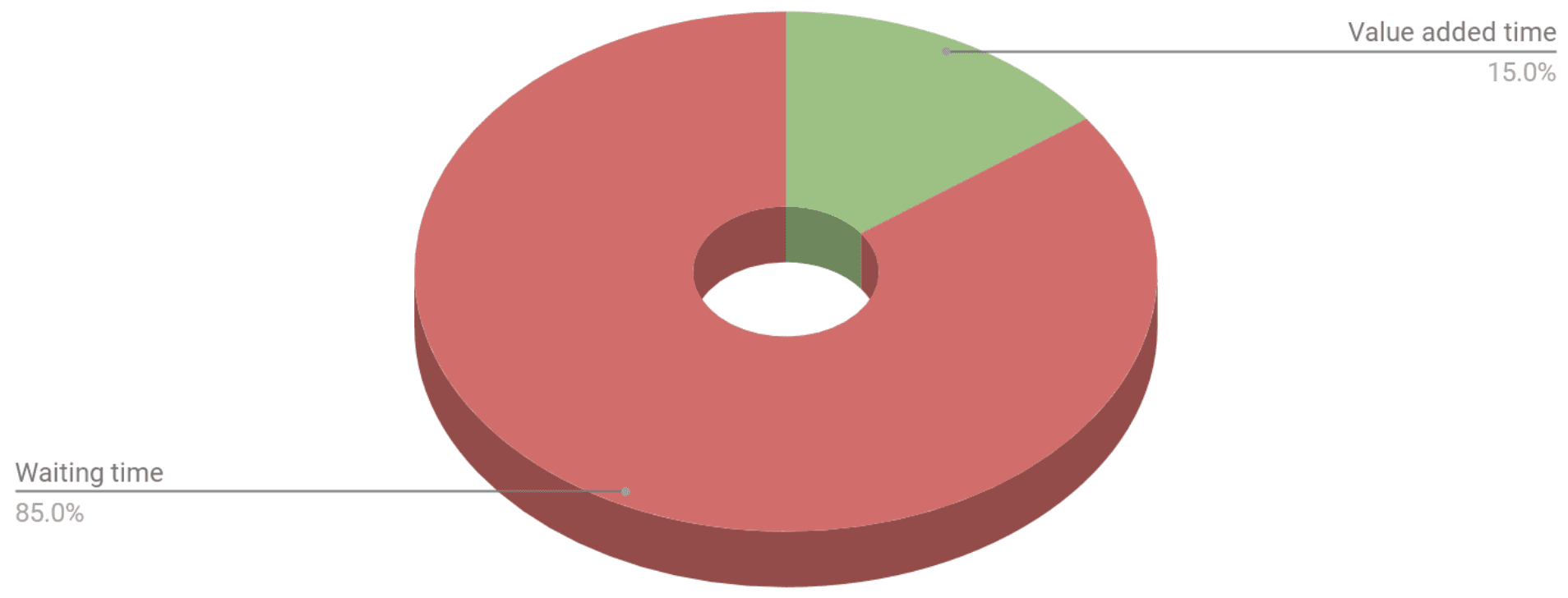
I'm involved day in, day out, in executive conversations about speed to market.
To deliver sooner (reduce lead time), the best leverage is to reduce waiting time (commonly observed consuming, on average, about 85% of the lead time).
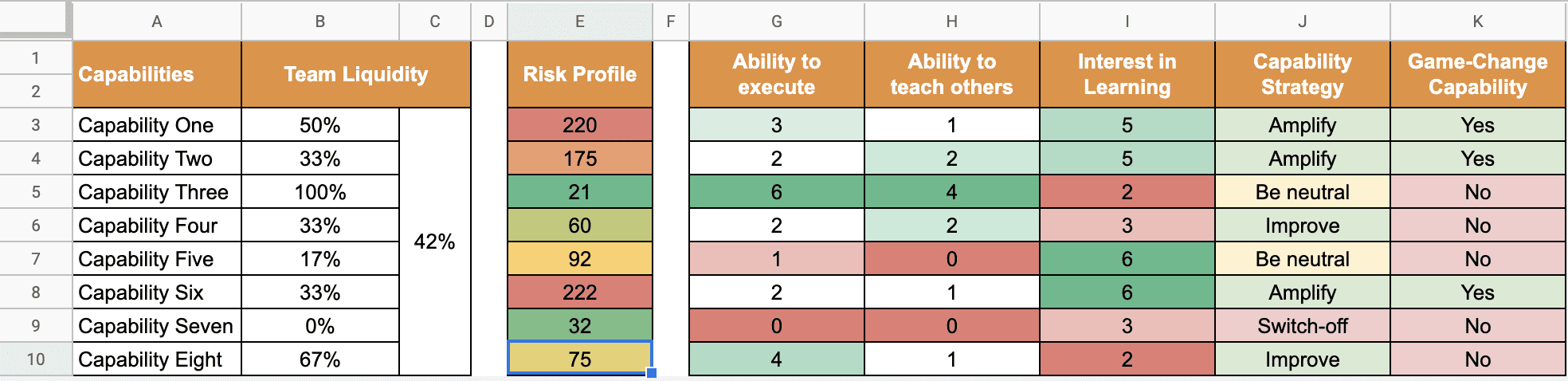
[Role vs Skill]
We know that team liquidity (the ability to match knowledge work and knowledge worker) is one of the significant sources of delays in value streams. We also know that one of the biggest challenges to increase team liquidity is seeing skills as roles.
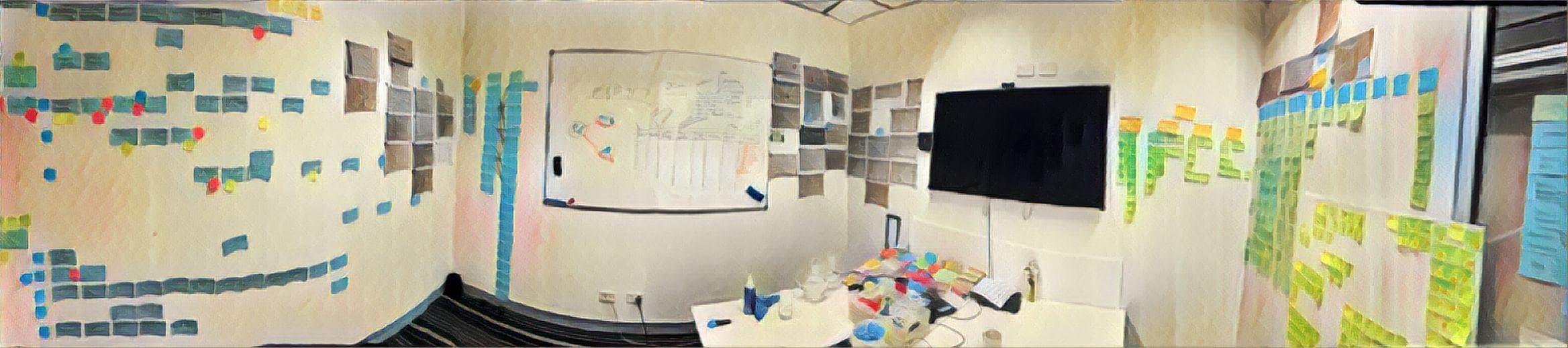
It's time to say goodbye to my most recent Obeya Room where I spent near 300h over the last seven weeks.
We usually open up to a later, more complex stage of consciousness when we come across major life challenges that can...

Who are your go-to peers in your network?
Who do you reach out when you need to get things done? And when you need technical expertise?
“(...) secondary needs are harmful to organisations since they generate superfluous work devoted to taking care of se...
Superfluous work is a very sophisticated form of waste since we often fail to realize that it is waste. We think we are adding value, but we are not.
The efficiency paradox
Operations strategy focused on resource efficiency → high queues in the system → lots of waiting time → long lead time → secondary needs → superfluous work → new activities and new resources required
There's no right or wrong on choosing on an operations strategy based on either resource or flow efficiency.
Think of a fire brigade (flow efficiency) and the Irish low-cost airline Ryanair (resource efficiency).
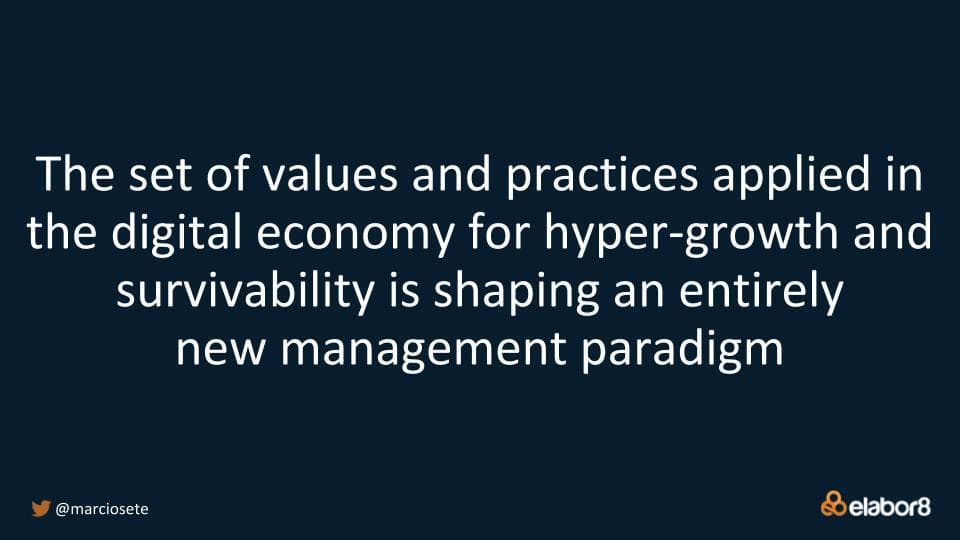
Today I'm pollinating the conversation of a leadership team in Sydney in their Strategy Offsite.
One thing we'll discuss for sure is how the 'new' set of values and practices applied in the digital economy for hyper-growth and survivability is shaping an entirely new management paradigm. Some 'laws' of this new management paradigm as we see it at Elabor8 are: 1) Customer obsession & client intimacy 2) Multimodal operating models 3) Fast time to market 4) Being nimble and able to adapt 5) Delivery efficiency - through flow, not ‘resource’ utilisation 6) Small, self-managing, customer-focused, mission-driven teams 7) Teams operating in value networks 8) Human-first culture 9) Culture of continuous learning and exploration 10) Relentless attention to nurturing evolving and resilient systems The more you violate those 'laws', the less chance you have of seizing true business agility.
Here are ten insights from my workshop at Lean Kanban Global Summit last week in Washington DC, where participants ha...
As usual, Elabor8 committed to the community. 1) The three actionable metrics of flow are WIP, Lead time and Throughput 2) The most important thing you can do to improve predictability and flow is to match your arrival rate (commitment) with your departure rate (throughput) 3) Don't work with averages when you can work with distributions 4) Flow debt is when lead time is artificially reduced for some work in progress by “borrowing” lead time from other pieces of work 5) Poor pull-transaction policies and misused classes of service are the primary sources of flow debt 6) Use the 85 percentile of your lead time distribution as the SLA for your service delivery 7) When slicing the work, it's not about same-sizing; it's about right-sizing.
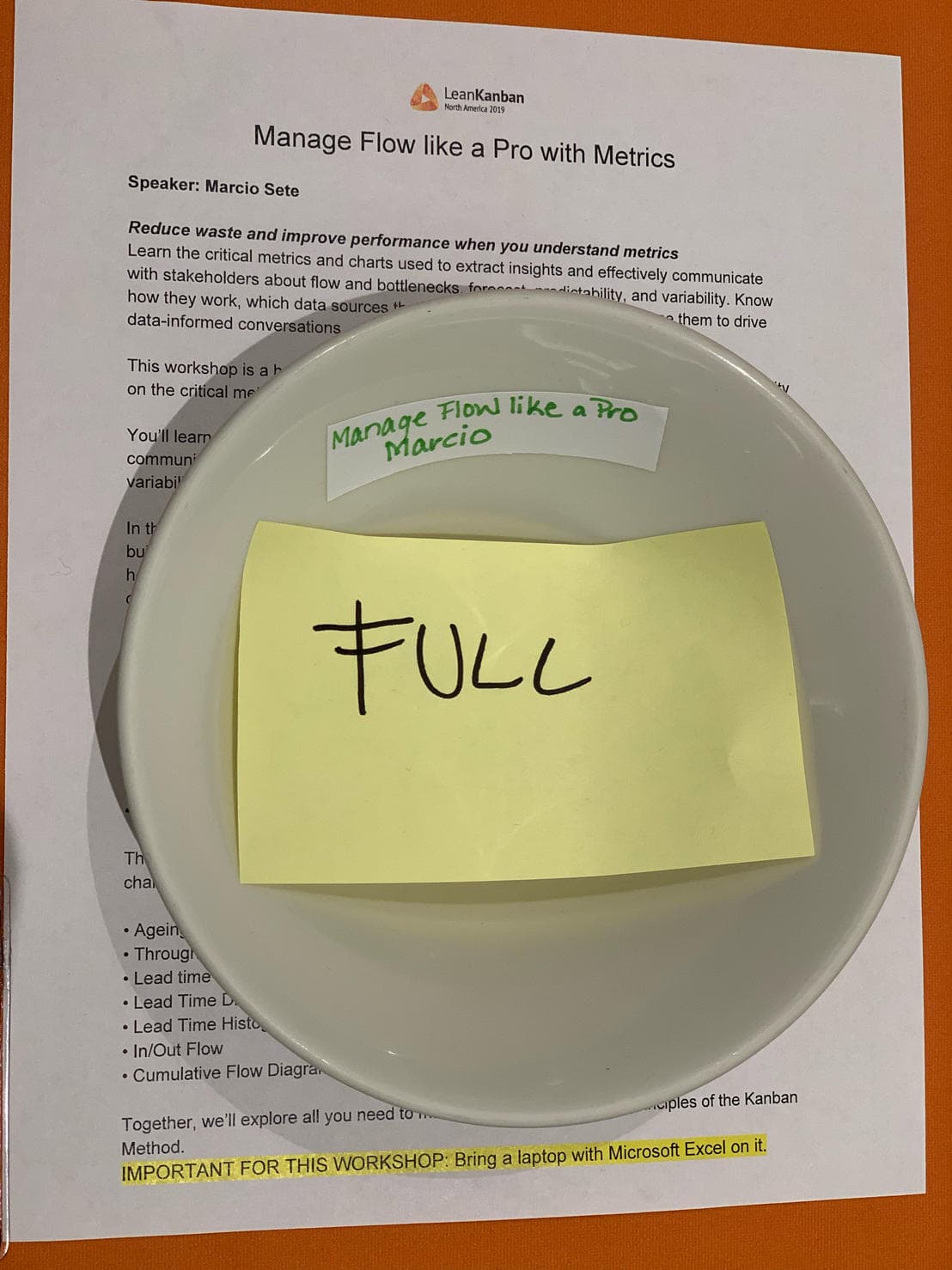
I took time this week to build and run a hands-on workshop at Lean Kanban Global Summit in Washington DC around the b...
Thanks to Elabor8 for the opportunity to consolidate and share some of the amazing work we’ve been doing. I’m looking forward to bring the talk and workshop to Australia next week.
For the last few weeks I’ve been in an incredible (and tough) journey with some amazing people to redesign the operat...
Something I'm learning more and more working every day with executives of large Australian organisations is that they...
Where there's a dichotomy, there's something yet to be understood.
Tip when adopting OKRs: classify each objective as OPERATIONAL (expected to be fully met) or ASPIRATIONAL (meaning te...
Making it explicit is important and drive great conversations!
Tip when adopting OKRs: Use a traffic light (On track, Needs attention, At Risk) followed by a one-line self-assessme...
The program of the Lean Kanban North America was announced and is stretching for amazing!
Here is the elevator pitch of the workshop: "Learn the critical metrics and charts used to extract insights and effectively communicate with stakeholders about flow and bottlenecks, forecast, predictability, and variability. Know how they work, which data sources them, and more importantly, how to use them to drive data-informed conversations".
Have a good week!
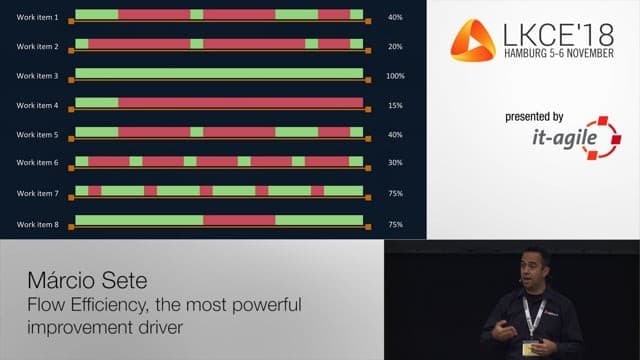
Hey Hamburg, thanks for having me at Lean Kanban Central Europe!
Highlights to me were the keynotes of David Anderson and L. David Marquet, and the talks of Olga Heismann about Forecasting in Complex Systems, Jesper Boeg about continuous improvement with Toyota Kata and Janice Linden-Reed about applying kanban in disaster situations around the globe.
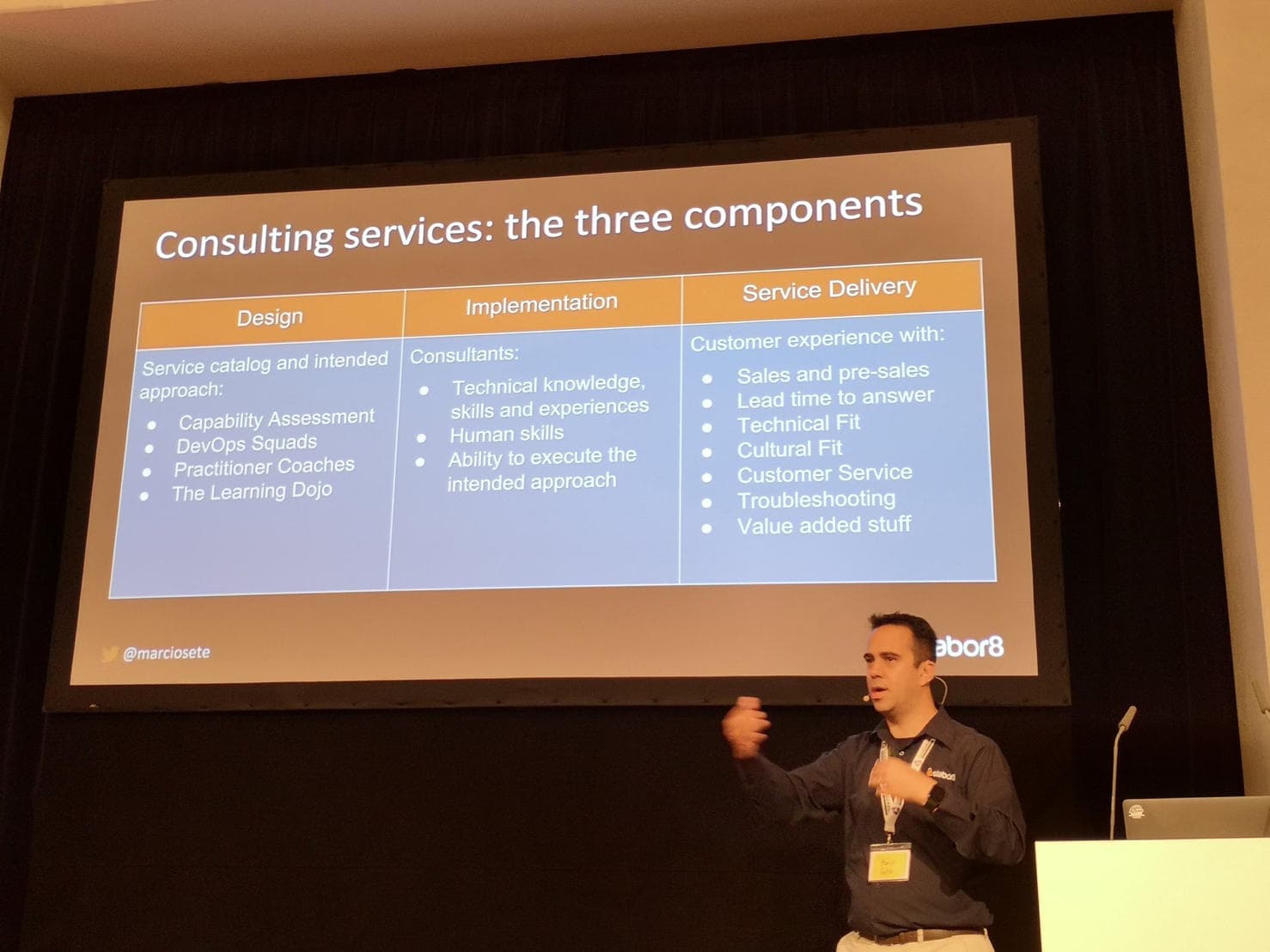
Really impressed by the outstanding level of the Lean Kanban Central Europe in Hamburg.
Picture from my talk today about the Fitness-for-purpose Framework, sharing a case study of how we’ve applied it for professional services at Elabor8.
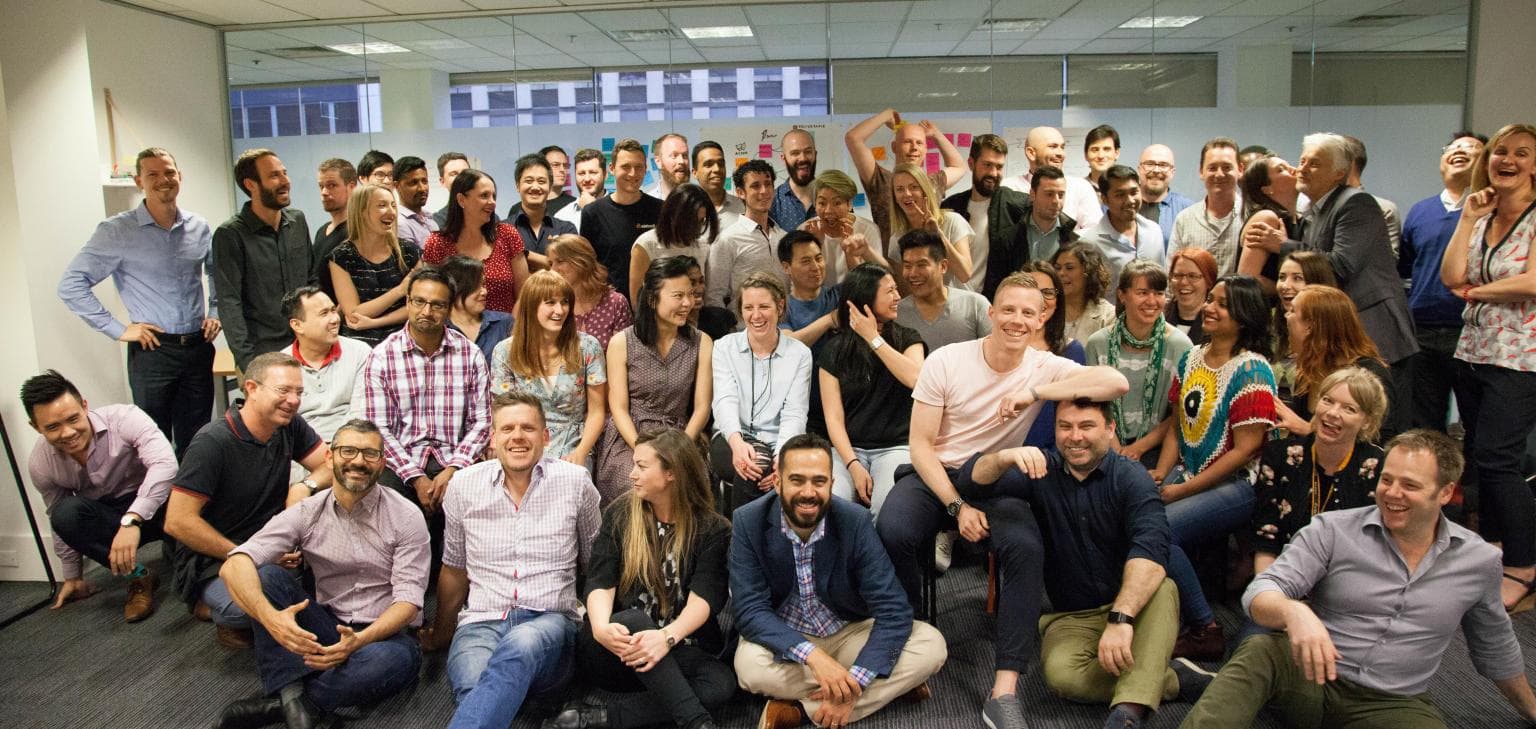
What a journey!
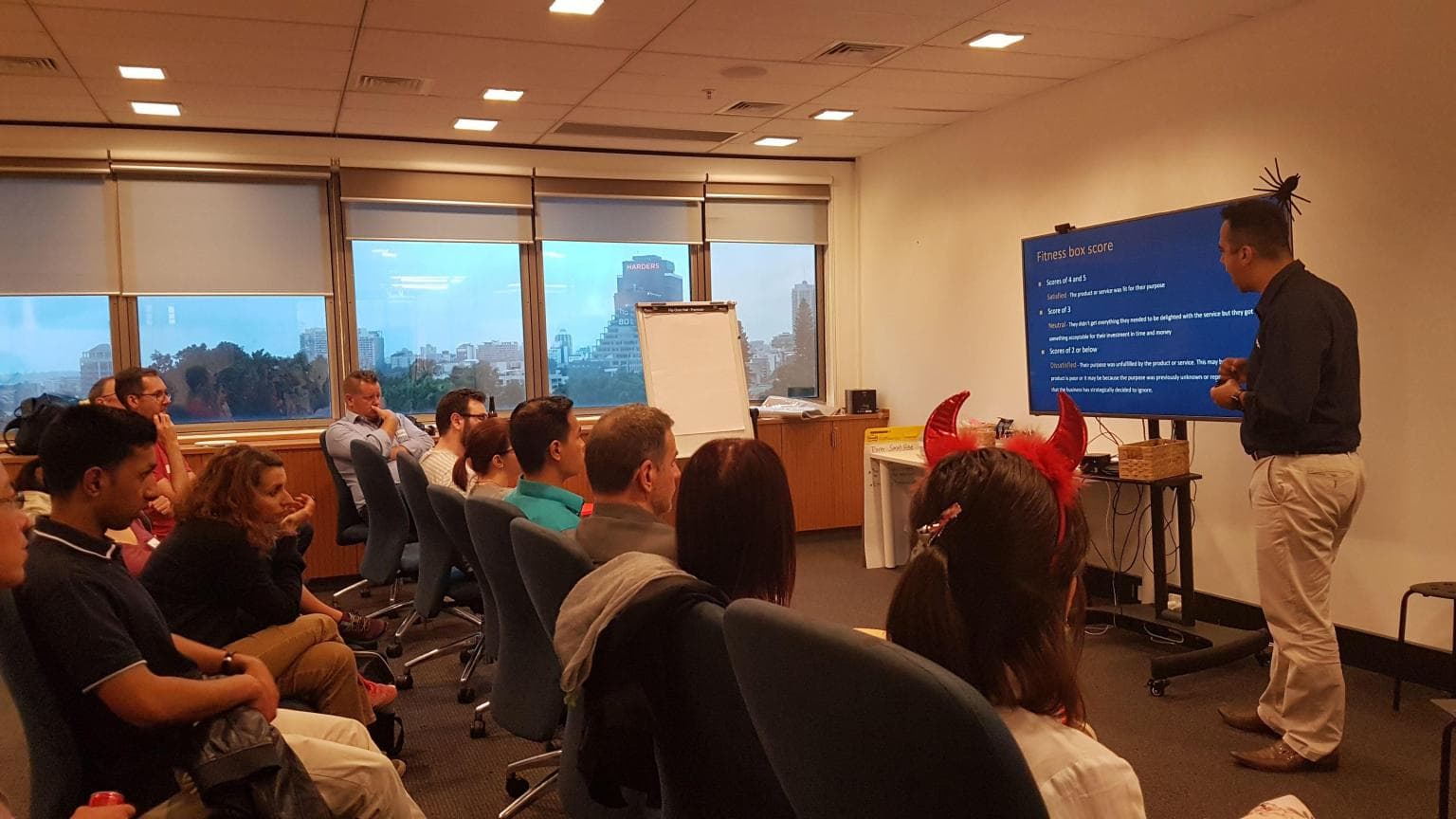
Nice talking and facilitating a workshop yesterday at the Sydney Agile Business Analysts and Product Owners Meetup ho...
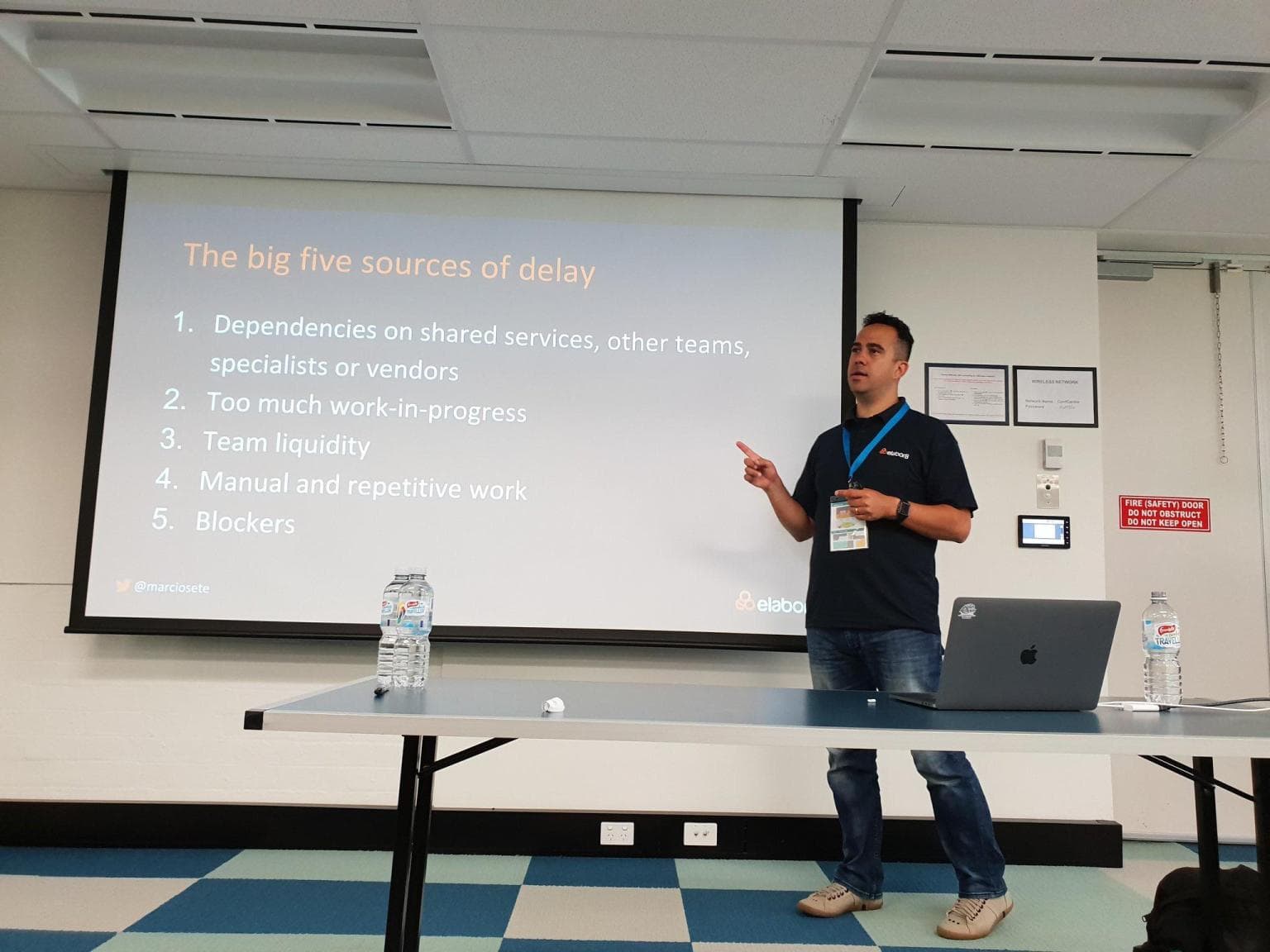
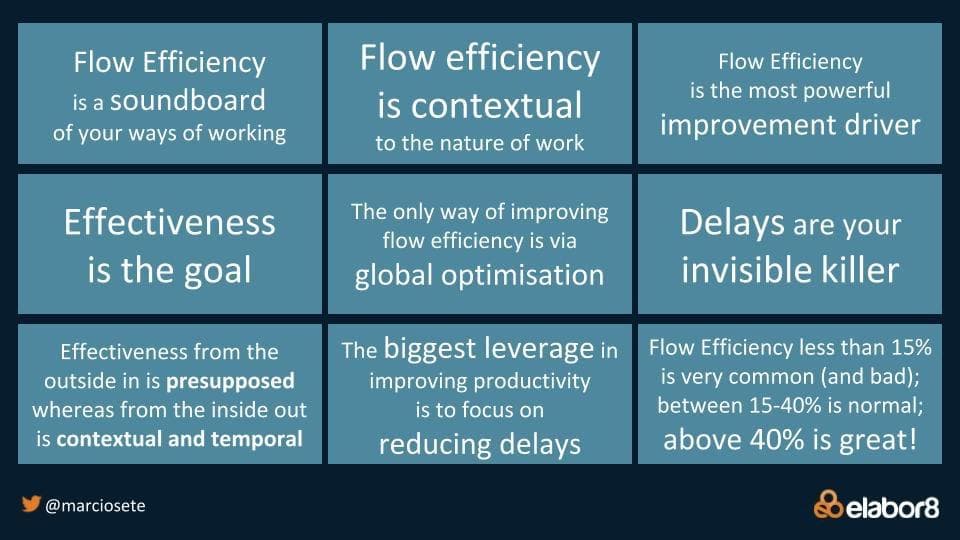
Really enjoyed speaking at Scrum Australia yesterday about flow efficiency.
That’s the great thing about working at Elabor8: you’re exposed to so many things and we love sharing our learnings from the trenches. We are hiring!
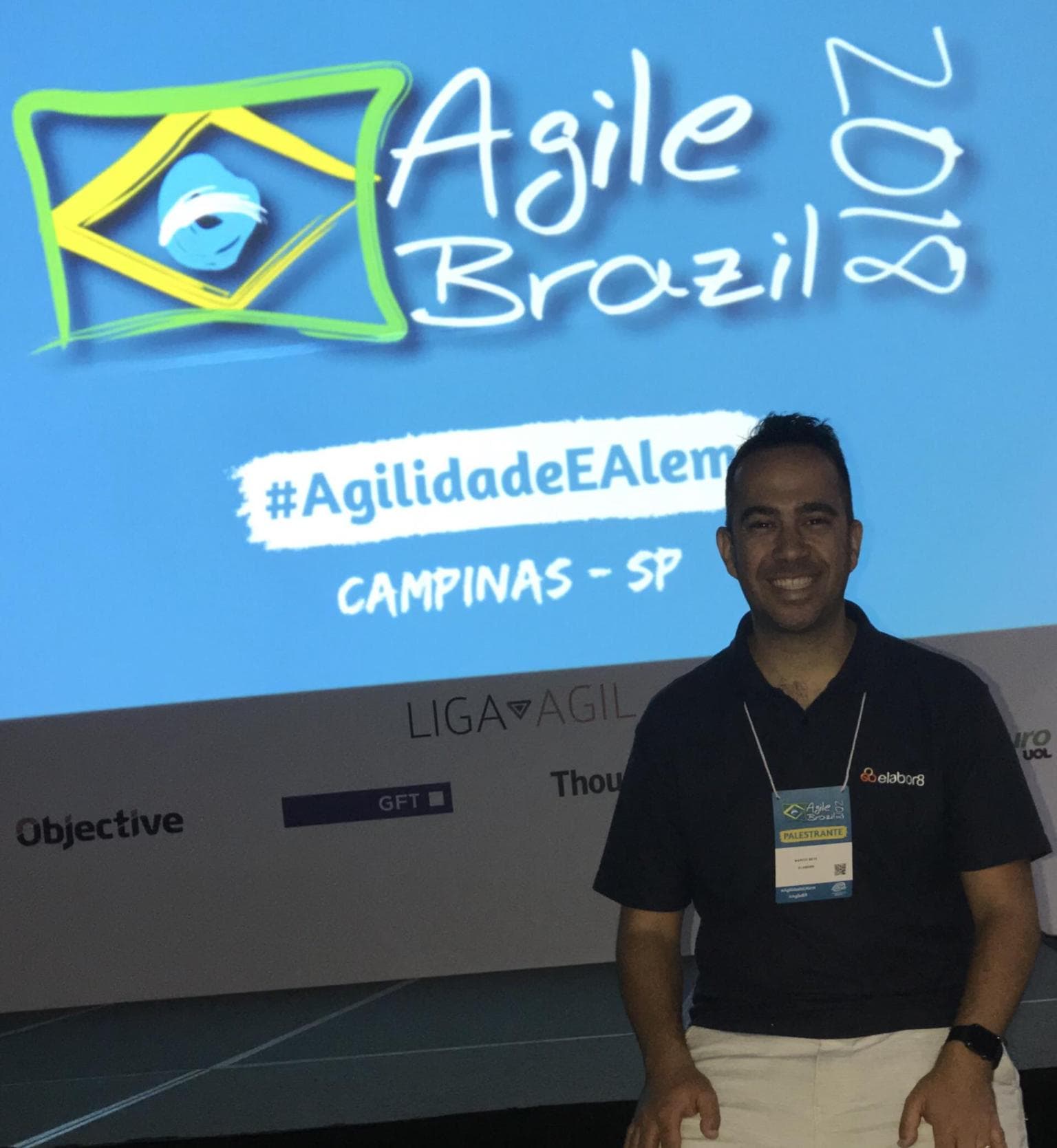
Quem tá no #AgileBR faz barulho aee!!!!
How do you measure the progress of your transformation?
Building blocks to build your transformation dashboard

Excited to see my first contribution to the CIO Australia.
In this article I’m provoking thoughts around performance data science and how to nurture a data-driven culture. A common challenge for organisations going through a technology transformation is how to measure progress and the impact of the new capabilities on business outcomes.

Loosely Coupled Architecture
The Executive Summary
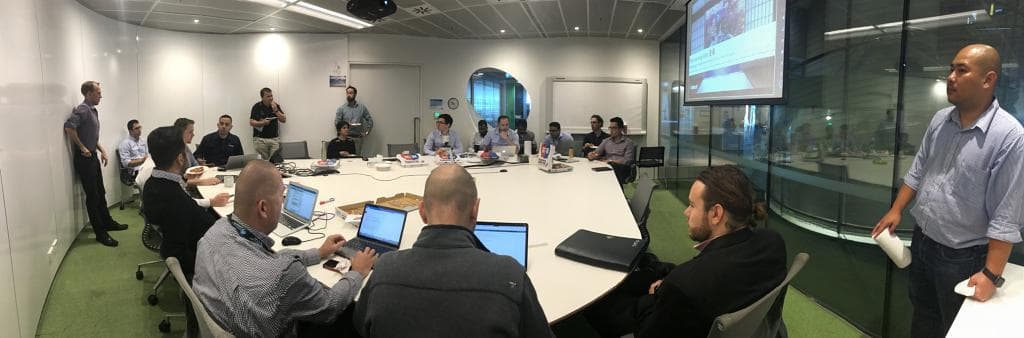
Great Lunch & Learn yesterday in Brisbane within one of our clients.
Reach out should you be interested in knowing more.